Mage Camp Manchester 2026: What We Learned About AI, Commerce and Community
Better decisions, more reliable customer experiences and investments that deliver real value. These ideas came up again and again at Mage Camp Manchester 2026.
The event brought together merchants, agencies, technology partners and industry specialists to share ideas, challenge assumptions and learn from one another.
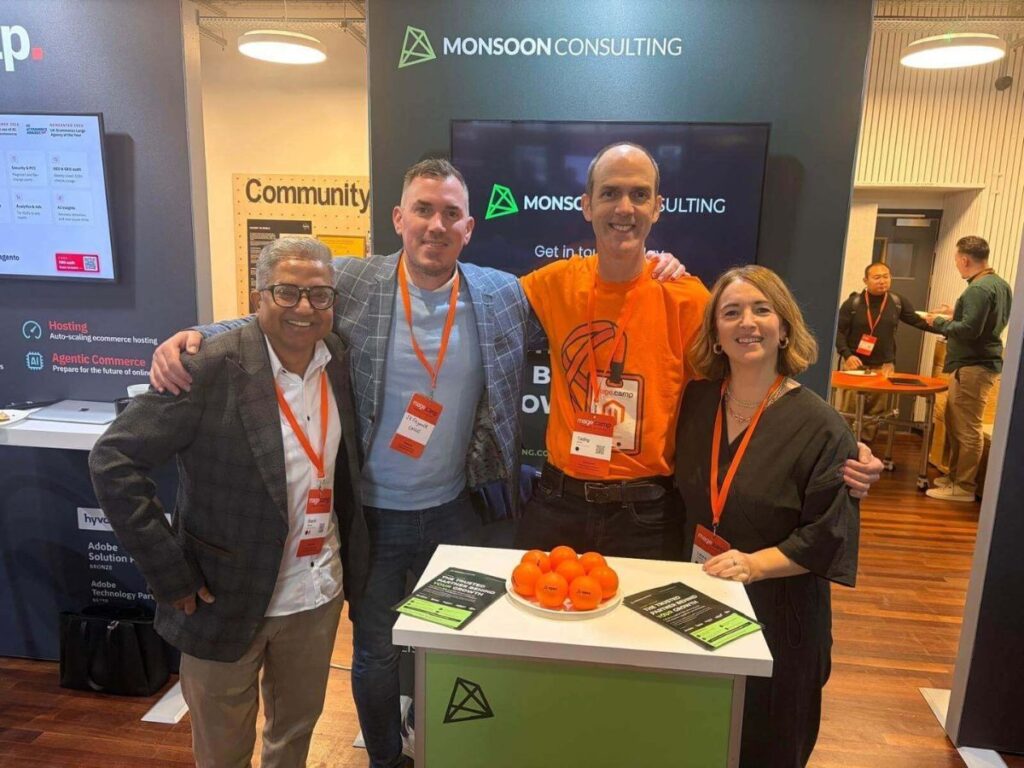
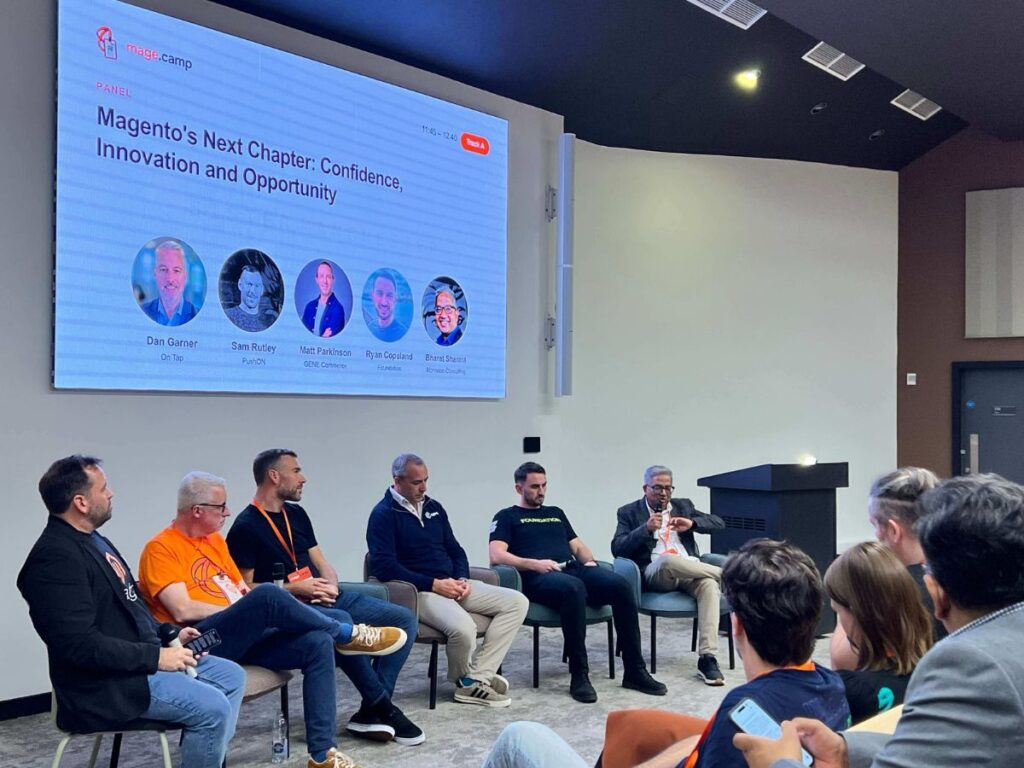
Monsoon Consulting was proud to co-organise the event alongside On Tap, GENE, Foundation Commerce and PushON, with our team also part of the Speaker Experience Team that helped bring the community together.
The focus was simple: put the merchant first. The brief to every speaker was a single line:
“Think about the merchant. If they leave the room with a new piece of knowledge, you’ve succeeded.”
From responsible AI to changing online shopper expectations, the discussions highlighted several key considerations for businesses navigating an increasingly complex digital commerce landscape.
Before we go any further, we must thank our wonderful sponsors across the two days. Please take some time to see who they were here: https://mage.camp/sponsors. Without their amazing support, we would not be able to host such an event.
What happened at Women in eCommerce, the Mage Camp fringe event?
Mage Camp began a day early with Women in eCommerce, a fringe event focused on mentorship, confidence, and building professional connections.
The afternoon featured a panel, lightning talks, and small roundtables, giving women across the industry a chance to share their experiences. Our team came away with some useful networking tips, like using improv techniques to feel more at ease in conversation and having the confidence to put yourself forward without overthinking it.
Above all, the afternoon was a reminder of how much careers depend on the people in your corner. The organisers plan to grow it into a wider network, with more events in more cities.
What were the key takeaways from Mage Camp Manchester 2026?
Across the main conference, the same ideas kept surfacing in different talks and from different speakers. Three themes stood out.
1. Responsible AI starts with accountability
An AI policy is a useful starting point, but having one doesn’t guarantee responsible use. Businesses need to understand the risks of the tools they introduce, including bias, data privacy, and transparency, and they need clear accountability for how those tools are used and the decisions they influence.
AI tools deserve the same scrutiny as any other major business decision. The question isn’t only “Can we use AI for this?” but should also be “Should we, what risks does it introduce, and how will we know it’s working as intended?”
2. Preparing your store for AI-powered shopping
The second theme looked at a new kind of visitor. As shopping journeys evolve, businesses may increasingly need to accommodate AI agents that discover products, compare options, and interact with storefronts on behalf of shoppers.
That changes what “good performance” means. A human shopper might retry a failed checkout, work around a confusing page, or look for missing information elsewhere. An agent won’t. A technical issue that seems minor in a normal customer journey could stop an automated one from completing altogether.
It’s not enough to know that agents are coming. Merchants need to see their site the way agents do. That means:
- monitoring checkout failures, API response times, and errors separately for bots and for humans
- keeping product data, especially price and stock, accurate and up to date
3. Every technology decision needs a commercial purpose
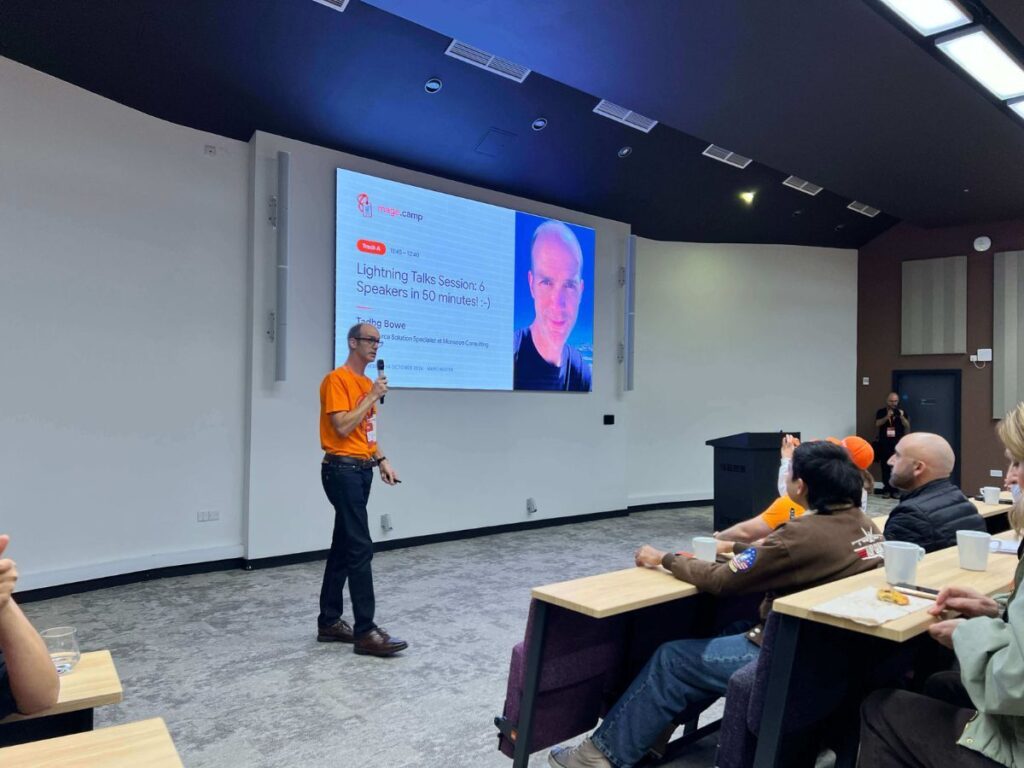
Several talks, especially the lightning talks, made the same case: tie every roadmap decision to a clear business outcome and a revenue case before building anything.
Roadmaps can quickly become collections of features and new ideas. Before committing resources, businesses should understand the problem they’re solving, the value the solution could deliver, and how success will be measured. A website improvement might aim to reduce checkout abandonment, lift conversion, or improve operational efficiency. Defining that outcome up front makes it far easier to judge whether the investment worked.

What do these eCommerce trends mean for Magento and Adobe Commerce merchants?
The common thread is that good eCommerce experience increasingly depends on clean data, responsible AI, and a clear commercial case.
The three are connected. Inaccurate product data undermines even the best AI tools, and new features add little if they don’t meet a real customer or commercial need.
For merchants, these themes can be turned into a few practical questions for their own teams:
- Do we know how our AI tools handle bias, privacy, and transparency, and who is accountable for them?
- Can we see checkout failures, API speed, and errors for bots separately from humans?
- Is our price and stock data accurate and up to date everywhere it’s shared?
- Does every item on our roadmap have a clear business outcome and a way to measure it?
Why does community matter in eCommerce?
Beyond the talks, Mage Camp showed the value of bringing people together. Merchants, agencies, technology partners and specialists shared experiences openly and learned from challenges beyond their own organisations. In fact the conversation was so good the general feedback was people needed more time to chat in the marketplace area! Something we will take on board for future events! 🙂
Have a wee look at the photo gallery… https://mage.camp/gallery
What's next after Mage Camp 2026?
So, did merchants leave the room with a new piece of knowledge? Across both days, the answer was a clear yes.
Thank you to everyone who made Mage Camp Manchester 2026 a delightful day: our sponsors, fellow co-organisers On Tap, GENE, Foundation Commerce and PushON, all the amazing speakers and panelists, the venues and their staff, catering, sound & video. But most of all our attendees! Thank you for taking the time out of your busy schedule to be with us. We really appreciate it.
At Monsoon Consulting, we believe successful digital commerce starts with understanding the merchant’s needs and connecting technology decisions to real business outcomes. If you’re preparing your store for AI shoppers, putting accountability behind your AI tools, or building the case for your next project, we’d love to talk.
We look forward to seeing where the Mage Camp community goes next. Grand. 🙂